My inspiration for this series in the first place was the following epiphany: The intellectual divide between Keynesian and Hayekian economics is even more relevant today than the more basic divide between “communism” and “capitalism”.
Author: Bryce Pointer
John Maynard Keynes challenged classical economic theories, introducing new concepts like “marginal propensity to consume.” His ideas, influential since the Great Depression, still dominate economic thought today.
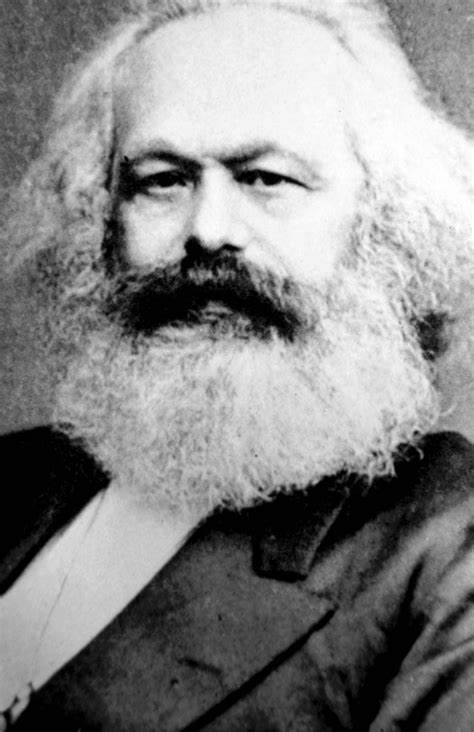
Another old joke about communism is that it works in theory, but not in practice. This is especially ironic given that Marx’s criticism of capitalism is supported by some practical examples but is founded on incredibly poor theory.
One imagines that in writing his book, Smith consider Volumes 4 and 5 to be the knockout blows. Sure, he’s alluded already to “spendthrift” governments, expounded upon the nature of money (especially metal currency), and anticipated a critique of capitalism
This part of the work is packed with observations about the importance of frugality and prudence, ones which our present age would do well to remember. Volume 3 details the march of economic progress
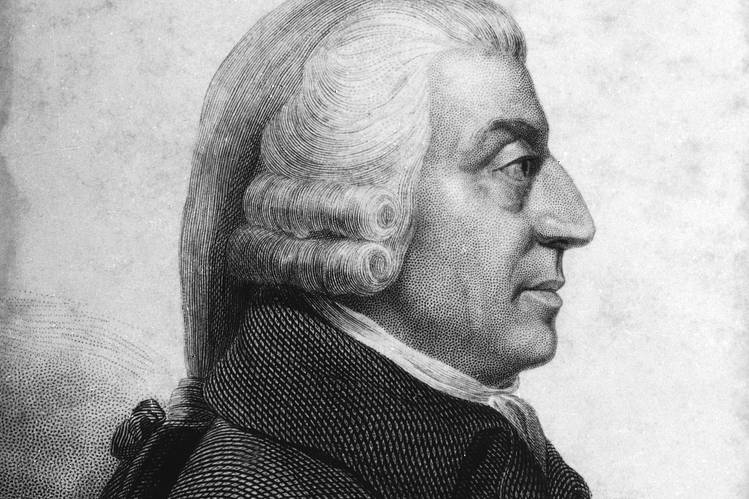
Smith hardly had in mind the creation of any new economic “system” or framework when he wrote. The actual word “capitalism” does not appear in the book.
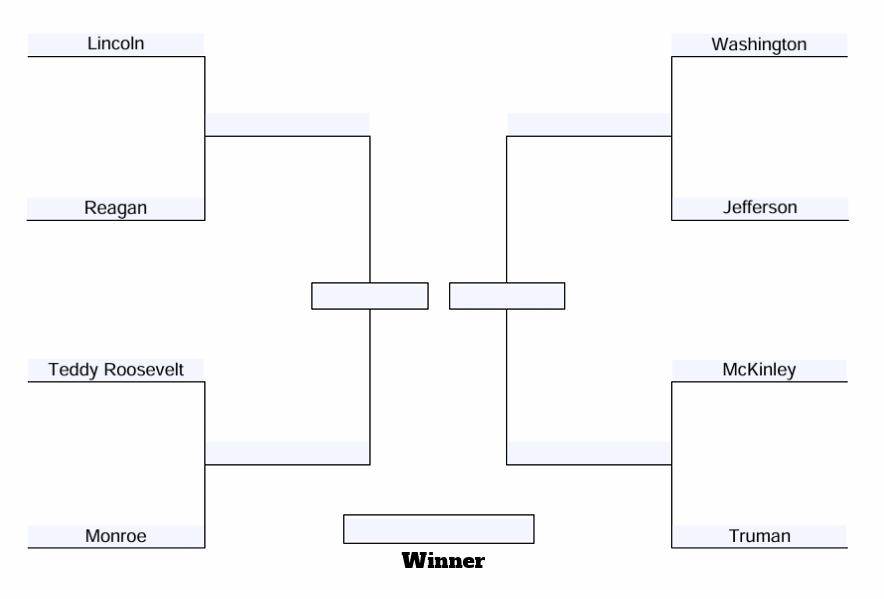
Over the past four weeks, we’ve been doing a March Madness-style bracket in which we evaluate presidents head-to-head.
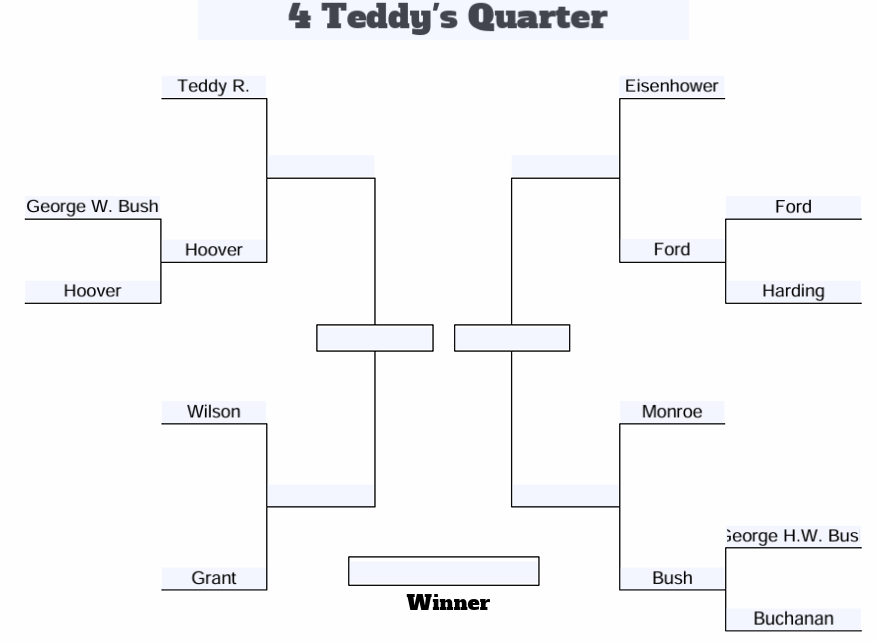
I’ve decided to apply it to former U.S. presidents in a series of posts, in the spirit of the annual March Madness basketball tournaments…

I’ve decided to apply it to former U.S. presidents in a series of posts, in the spirit of the annual March Madness basketball tournaments…
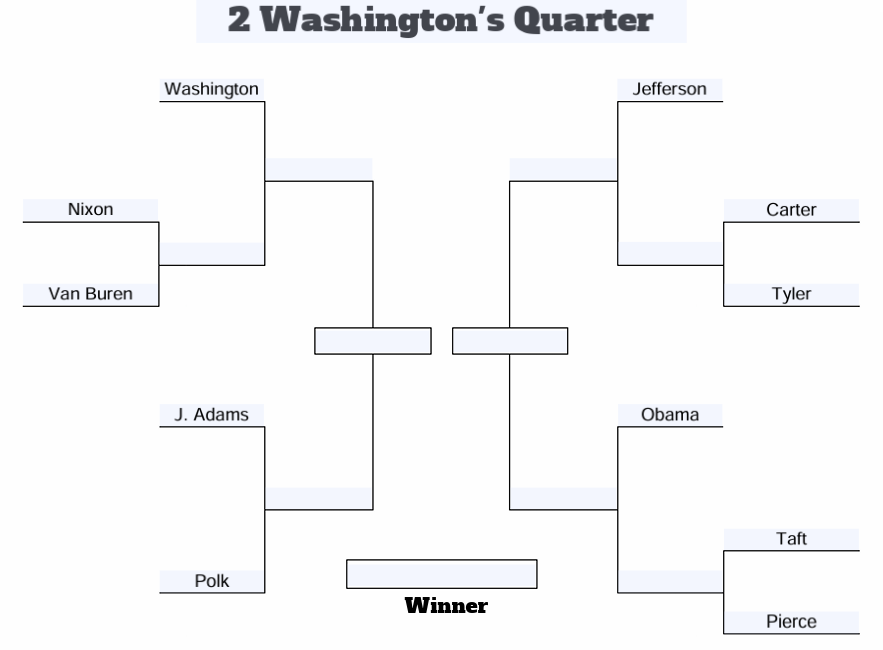
I’ve decided to apply it to former U.S. presidents in a series of posts, in the spirit of the annual March Madness basketball tournaments…